Moulding Line · Coimbatore

No Bake
Moulding Line

Our Alpha-set no bake line pours single pieces up to 1,500 kg, with its own sand plant and its own melting bay, at our foundry in Arasur, Coimbatore, Tamil Nadu.

Capability Overview

What Is the No Bake
Line Used For?

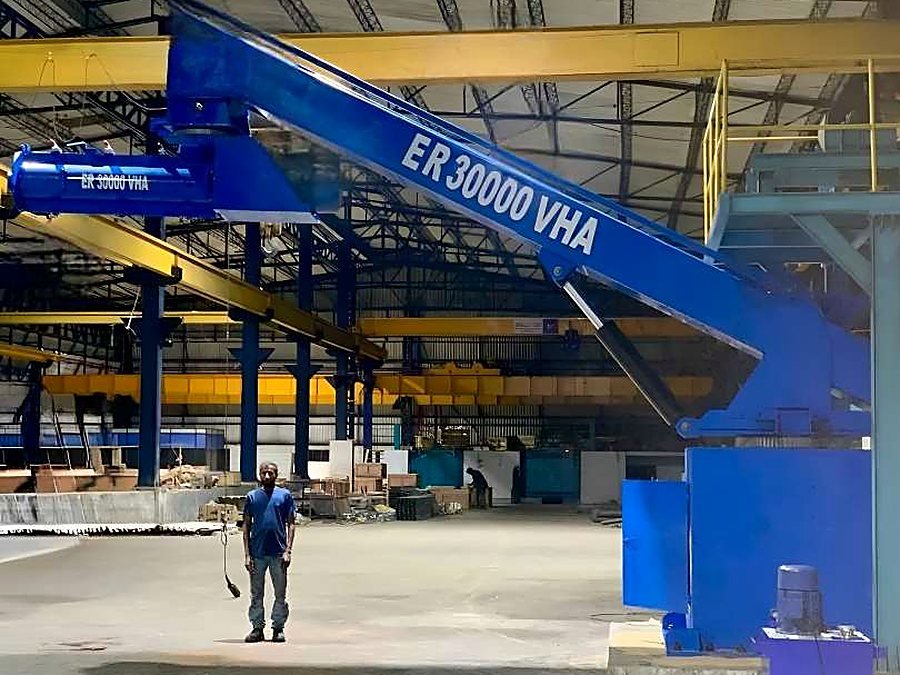
No bake moulding is how we make the heavy castings. The sand carries a chemical binder that hardens by itself at room temperature, so the mould does not have to fit inside a moulding machine. Size is set by the part, not by the equipment.

There are two ways to work. The fast loop line runs a moving loop of flasks with a 1,600 x 1,200 x 700 mm working area, which suits repeat orders at a steady pace. Floor moulding builds the mould on the foundry floor and gives 2,000 x 2,000 x 700 mm for the largest and most awkward shapes.

Single pieces run up to 1,500 kg in grey iron, ductile iron and steel. The fast loop line is rated to 1,250 kg, and the heaviest work is moulded on the floor.

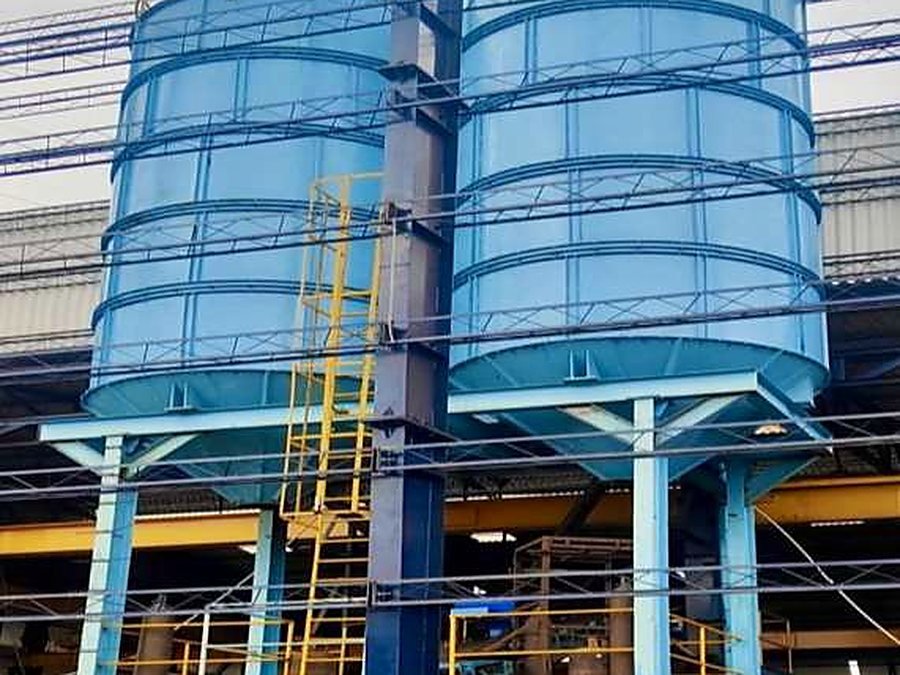
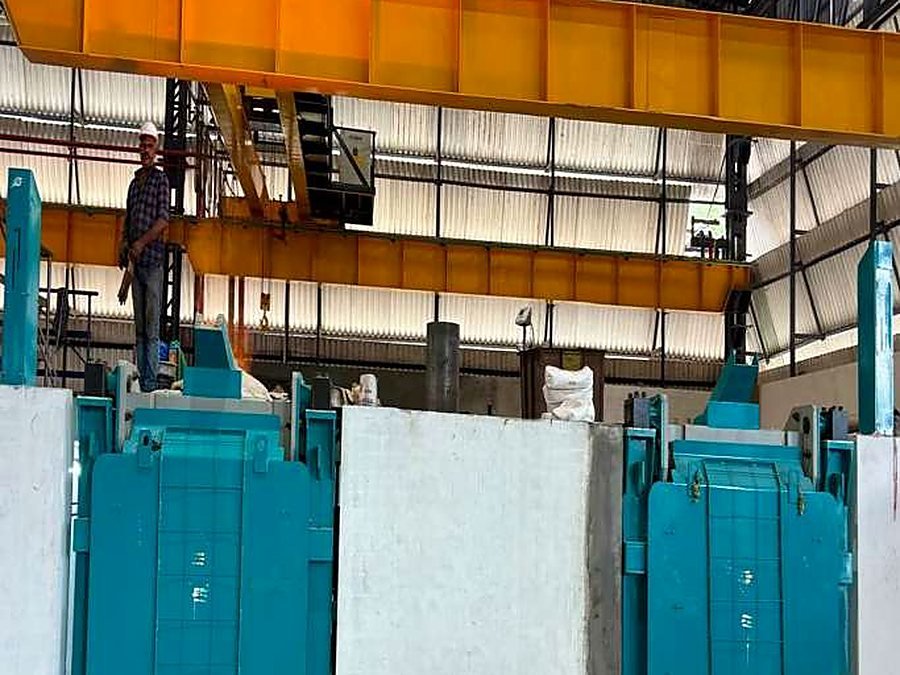
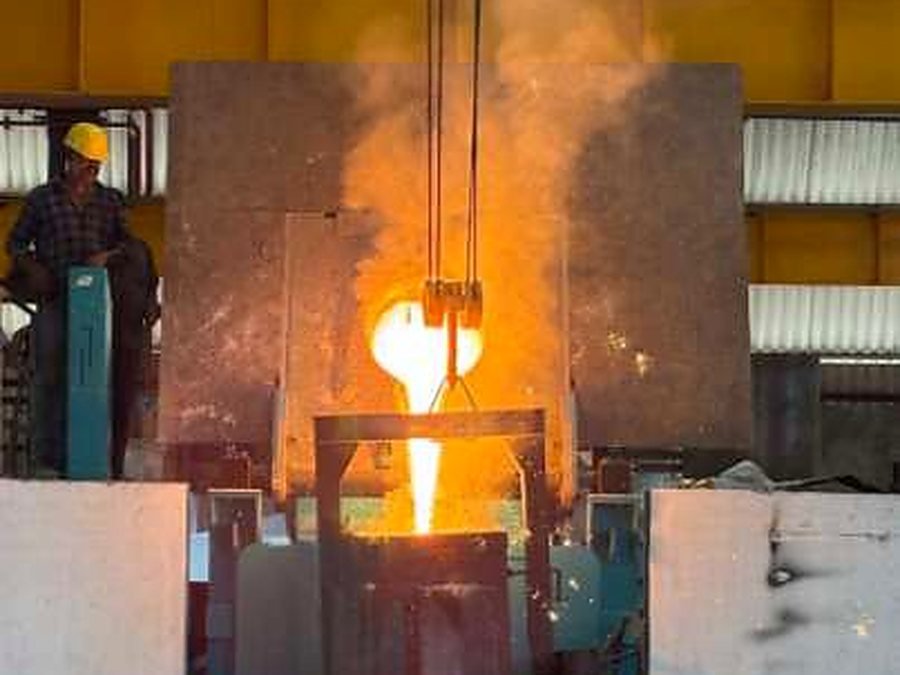
This line does not share resources with the rest of the foundry. It has its own sand plant, with a 30 tonne an hour mixer and 200 tonnes of storage, and its own melting bay of two 1.5 tonne induction furnaces running about 800 tonnes a month.

Line Specifications

What Can the No Bake
Line Produce?

Installed figures for the no bake line at the Coimbatore plant. Send a drawing and our engineering team will confirm feasibility for your part.

Parameter Specification
Moulding processAlpha-set chemically bonded no bake sand, self-hardening at room temperature
Fast loop line working area1,600 × 1,200 × 700 mm — a moving loop of flasks, used for repeat orders at a steady pace
Floor moulding working area2,000 × 2,000 × 700 mm — the mould is built on the foundry floor, for the largest and most awkward shapes
Maximum single-piece weightUp to 1,500 kg. The fast loop line is rated to 1,250 kg; the heaviest pieces are moulded on the floor
Sand mixer30 tonnes an hour continuous mixer with vertical lifting
Sand storageTwo dedicated hoppers of 100 tonnes each, 200 tonnes in total
Dedicated meltingTwo 1.5-tonne dual-track medium frequency induction furnaces, with 1,750 kW of added power
Melting capacityAbout 800 tonnes a month for this line alone
Metals pouredGrey cast iron, ductile (SG) iron and steel
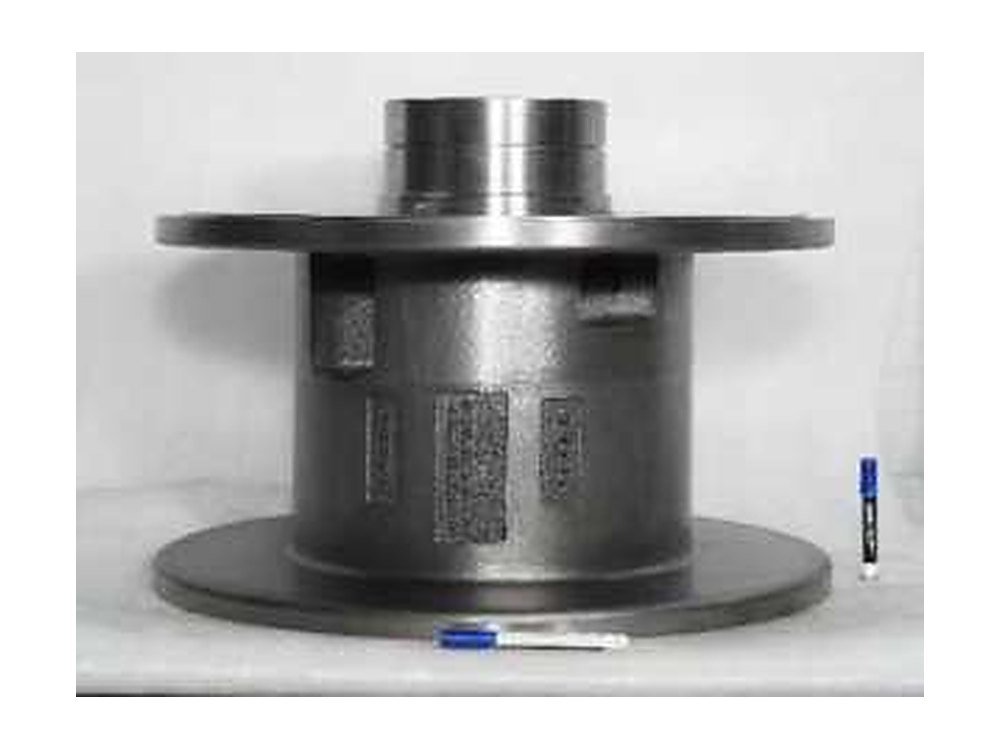
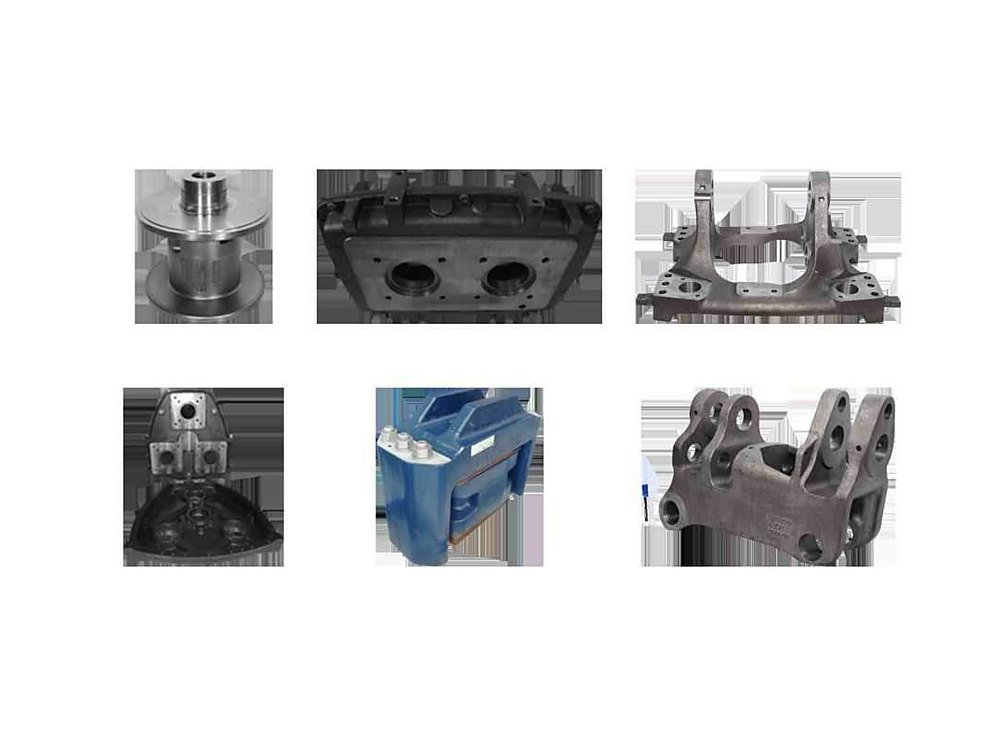
Typical componentsWind energy housings, machine tool beds and columns, large pump and valve bodies, transmission cases, swing frames
Heat treatmentStress relieving, normalising, annealing, hardening and tempering, plus induction hardening, on site
Supply conditionRaw casting, machined, painted, or fabricated and assembled
Plant locationArasur, Coimbatore, Tamil Nadu — foundry, machine shop and testing lab on one site

How It Works

How Does No Bake
Moulding Work?

Four stages, from mixed sand to a finished heavy casting.

Sand Mixing

Silica sand and Alpha-set binder are mixed continuously at up to 30 tonnes an hour and delivered straight into the flask or the floor mould.

Mould Building and Curing

The mould is rammed around the pattern and left to harden on its own at room temperature. No heat and no squeeze pressure are needed, which is why very large moulds are possible.

Core Setting and Closing

Cores are set, the cope is closed and the mould is checked before pouring. Large moulds are coated to protect the surface against the heat of the metal.

Pouring, Knockout and Finishing

Metal is melted in the line’s own furnaces and checked on the spectrometer, then poured. After cooling the sand is broken out and reclaimed, and the casting is fettled, heat treated, machined and inspected.

Common Questions

No Bake Moulding
Questions Buyers Ask

What is no bake moulding?

No bake moulding uses sand mixed with a chemical binder that hardens on its own at room temperature. Nothing is baked and nothing is squeezed, so the mould can be built as large as the part needs.

Why does Technocast use no bake for heavy castings?

Because size is not limited by a moulding machine. On the fast loop line the working area is 1,600 x 1,200 x 700 mm, and floor moulding gives 2,000 x 2,000 x 700 mm for the biggest and most awkward shapes.

What is the heaviest casting you can pour?

Up to 1,500 kg as a single piece. The fast loop line is rated to 1,250 kg, and the heaviest pieces are moulded on the foundry floor.

What binder system do you use?

Alpha-set, a self-hardening chemically bonded sand. Sand is mixed by a 30 tonne an hour continuous mixer with vertical lifting, fed from two 100 tonne hoppers.

Does the no bake line have its own melting?

Yes. Two 1.5-tonne dual-track medium frequency induction furnaces with 1,750 kW of added power serve this line alone, at about 800 tonnes a month.

Which metals are poured on the no bake line?

Grey cast iron, ductile (SG) iron and steel.

What kind of parts are made on this line?

Wind energy housings, machine tool beds and columns, large pump and valve bodies, transmission cases and swing frames.

When should I choose no bake instead of the other moulding lines?

When the part is too heavy or too large for them. Up to 50 kg in volume suits the DISA high pressure line, up to 100 kg the ARPA 450 and up to 550 kg the ARPA 1300. Above 550 kg the part goes to no bake.

Can heavy castings be machined at the same plant?

Yes. The machine shop is on the same site and includes a vertical turn mill with 1,750 mm cutting diameter and 1,100 mm working height, vertical turret lathes and five-axis horizontal machining centres.

Where is your no bake foundry in Tamil Nadu?

At 127/3B, Sangothipalayam Road, Arasur, Coimbatore, Tamil Nadu 641407, India. Plant visits and audits can be arranged through the contact page.
Send Us a Drawing

Have a Heavy
Casting to Place?

Send the part weight, material and annual quantity. Our team in Coimbatore will confirm whether the no bake line suits it and what the lead time looks like.