Grey Iron, Ductile Iron
and Steel Castings

Technocast Foundry manufactures machined grey iron, ductile (SG) iron and steel castings from 1 kg to 1,500 kg in a single piece, at Arasur, Coimbatore, Tamil Nadu, India. Five moulding routes cover low, mid and high volumes, and parts can leave the plant machined, coated, assembled and tested.

What Castings Do We Make?

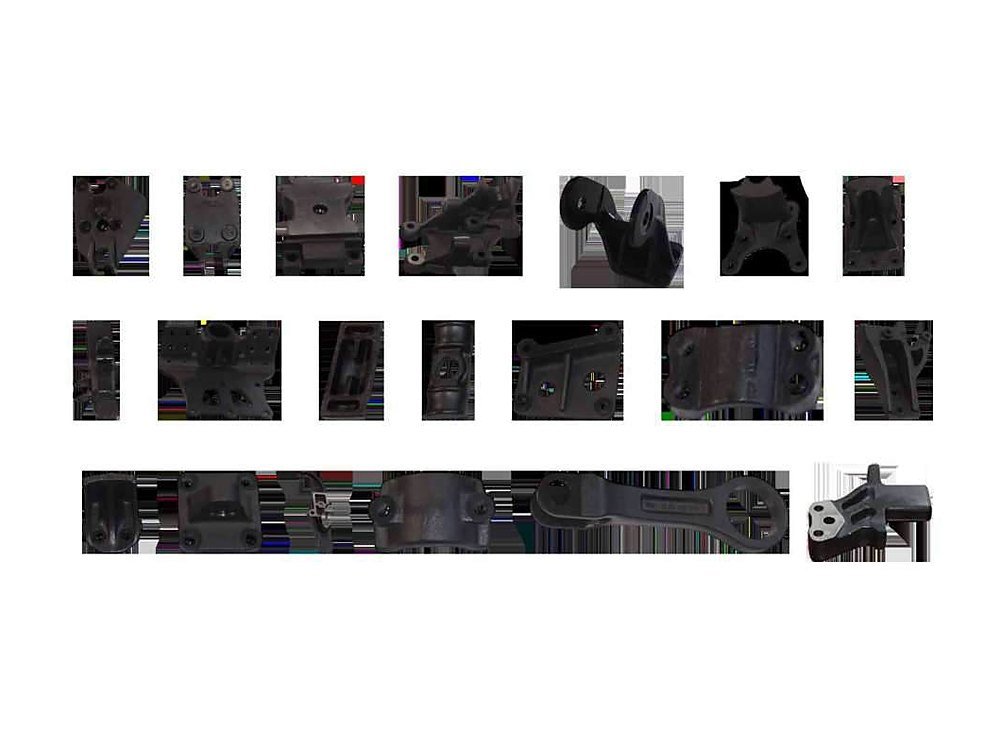
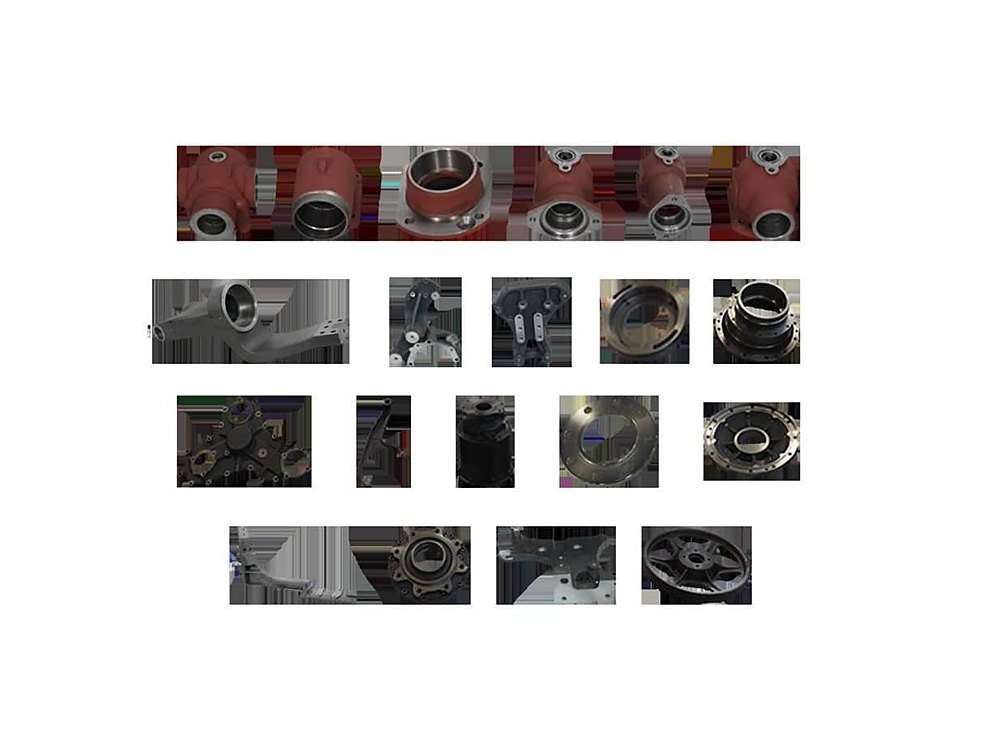
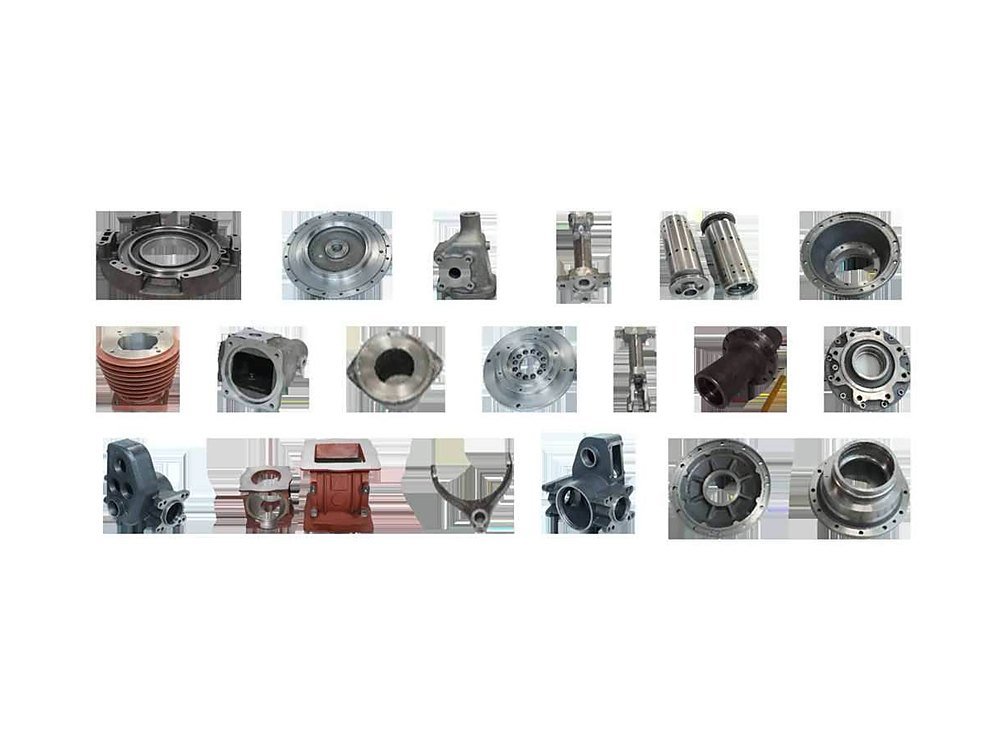
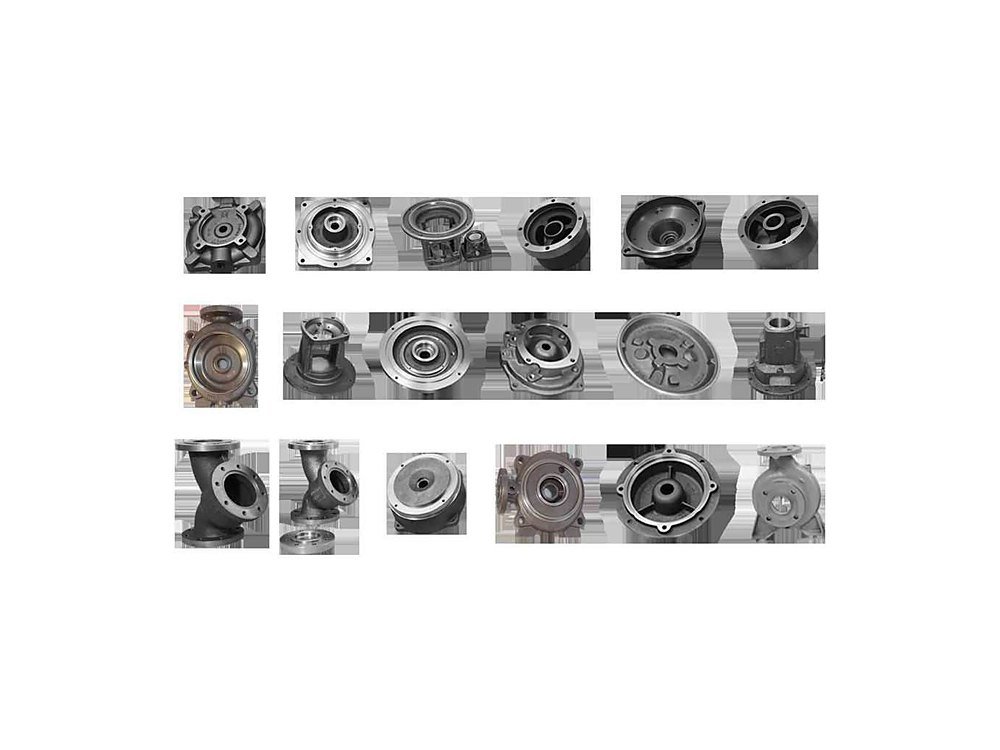
Seven Casting Ranges,
One Foundry

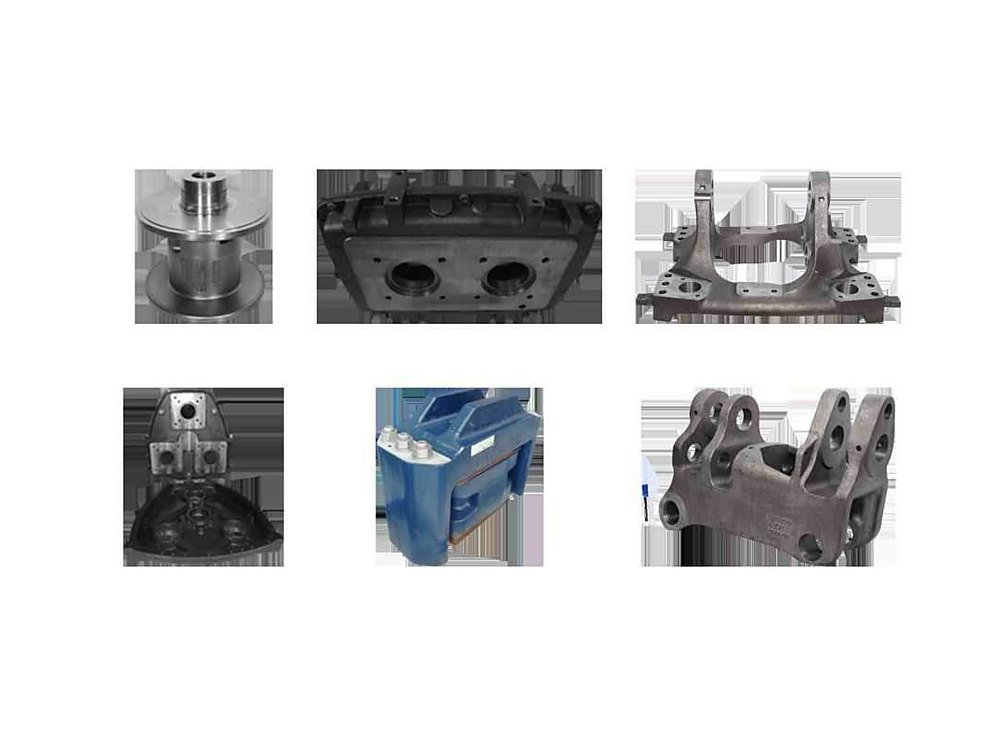
We group castings by the industry they serve, because that is how buyers search for them. Every range is poured, heat treated and machined on the same site at Arasur, Coimbatore.

Not sure which range your part belongs to? Send the drawing and we will tell you which line it suits.

Materials

Which Metals
Do We Pour?

Grey iron, ductile (SG) iron and steel, in a rough 30 / 60 / 10 split of monthly output. Every heat is checked on an ARL spectrometer before it is poured, and grades are matched to your drawing.

Grey Cast Iron

EN-GJL-250 to EN-GJL-300

EN-GJL-250 to EN-GJL-300. Around 30 per cent of what we pour. Grey iron damps vibration and machines easily, which is why it suits machine tool beds, gearbox housings and pump bodies.

GG30 GG35 FGL 250 ASTM A48 FC300

Ductile (SG) Iron

EN-GJS-400-18 to EN-GJS-900-2

EN-GJS-400-18 to EN-GJS-900-2. Around 60 per cent of output and our largest family. Ductile iron adds strength and elongation, so it takes the load in transmission housings, hubs, brackets and wind energy parts.

GGG40 GGG50 GGG60 GGG70 GGG80 ADI CGI

Carbon Steel

IS 1030 and ASTM A27 / A148 / A216

IS 1030 and ASTM A27 / A148 / A216. Cast steel is used where the part has to take shock loading or higher temperature than iron will tolerate, typically in earthmoving and valve work.

WCB WCC SAE1018 SAE4140 CK45

Alloy Steel

IS 7598 and ISO 683-7

IS 7598 and ISO 683-7. Alloy steel is specified where wear resistance or through-hardening matters. Machined parts are also supplied in 20MnCr5.

EN19 EN24 16MnCr5 SAE8620 JIS G5111

In-House Capability

What Can the Plant
Actually Do?

Everything below happens at Arasur under one management. That is what lets us quote a raw casting or a finished, painted, assembled and tested part from the same enquiry.

Five Moulding Routes

DISA high pressure line, ARPA 450, ARPA 1300, shell moulding and the Alpha-set No Bake line. Box sizes run from 510 x 610 x 400 mm up to floor moulding at 2,000 x 2,000 x 700 mm, so one part number can be quoted at 200 pieces or 20,000.

High Pressure ARPA 450 ARPA 1300 Shell No Bake
Melting and Pouring

Medium frequency induction furnaces, 1 tonne dual track, four of them, rated at 60 tonnes a day, plus a separate 1.5 tonne dual-track melting bay for the No Bake line. The high pressure line pours automatically.

60 T/day Auto-pour 1,750 kW added

Core Shop

Five cold box core shooters from 5 kg to 30 kg, one 5 kg shell core shooter and a four-table CO2 facility. Cold box accounts for 70 per cent of cores, shell 20 per cent and CO2 10 per cent.

Cold Box Shell CO2

Machining

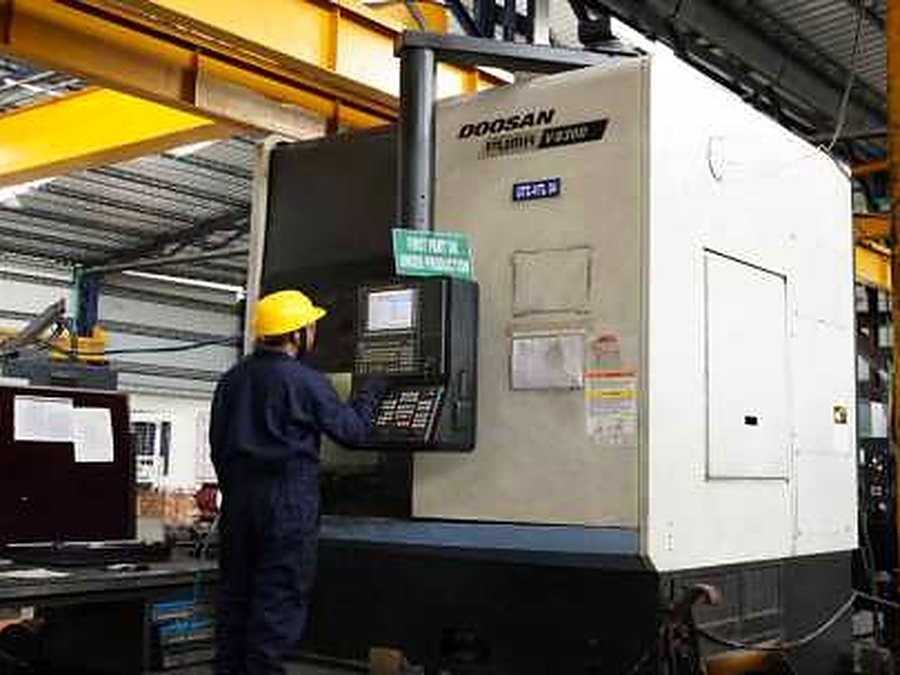
Twenty vertical machining centres, four horizontals including a five-axis, five vertical turret lathes, thirteen turning centres, vertical turning to 1,750 mm diameter, gear shaping and dynamic balancing to 1 gram. Castings can be shipped fully machined.

VMC x20 HMC VTL x5 Turning x13

Heat Treatment

Normalising, annealing, stress relieving and hardening are carried out on site, so a part does not leave the plant to be treated and come back.

Hardening Normalising Stress Relief

Special Processes and Assembly

Gear cutting, dynamic balancing, high pressure washing, fabrication in TIG, MIG and arc welding, sheet perforation and forming, and sub-assembly with bought-in steel, brass, PTFE, stainless and rubber components. Load testing is done on a 2,000 tonne hydraulic press to customer specification.

Gear Cutting Balancing Fabrication Assembly

Process Flow

How Is a Casting Made
at Technocast?

Twelve steps between the pattern store and the packing bay. Every one of them happens on our own site.

Pattern Storage

Tooling is stored, indexed and checked before a job is scheduled, so a repeat order does not wait on pattern hunting.

Core Making

Cores are shot in cold box, shell or CO2, depending on the geometry and the volume.

Moulding

The part is moulded on whichever of the five routes suits its size and quantity.

Melting

Charge is melted in medium frequency induction furnaces and held to the target chemistry.

Chemical Analysis

Every heat is read on an ARL spectrometer and corrected before it is allowed to pour.

Auto Pouring

The high pressure line pours automatically, which keeps pouring temperature and rate consistent from mould to mould.

Knock Out

Moulds are broken out and sand is returned to the plant for reuse.

Physical Analysis

Nodularity, tensile, elongation and hardness are checked on samples from the same heat.

Fettling and Grinding

Runners, risers and parting lines are removed. An automatic five-axis fettling cell is being added during 2026.

Machining

The casting moves to the CNC shop for turning, milling, boring, gear cutting and balancing as the drawing requires.

Final Inspection

Dimensions are confirmed on a coordinate measuring machine, with ultrasonic, magnetic particle or pressure testing where specified.

Painting and Packing

Primer painting is done in house. ED, CED, powder, zinc, manganese phosphate and galvanised finishes are arranged through partners. The part is then packed and documented.

Surface Finish

What Coatings
Can You Supply?

Primer painting is done at Arasur. Every other finish below is arranged through established coating partners, so you still place one order and receive one finished part.

Finish Where it is done
Primer paintingIn house at Arasur
ED and CED coatingCoating partner
Powder coatingCoating partner
Zinc coatingCoating partner
Manganese phosphatingCoating partner
Galvanised coatingCoating partner

Common Questions

Questions Buyers Ask
About Our Castings

What types of castings does Technocast Foundry make?

Grey iron, ductile (SG) iron and steel castings, supplied raw or fully machined. Output is roughly 60 per cent ductile iron, 30 per cent grey iron and 10 per cent steel.

What is the weight range for a single casting?

From 1 kg to 1,500 kg in a single piece. The moulding route is chosen to suit the weight and the quantity.

Which material grades do you pour?

Grey iron in EN-GJL-250 to EN-GJL-300, ductile iron in EN-GJS-400-18 to EN-GJS-900-2, cast steel to IS 1030 and ASTM A27, A148 and A216, and alloy steel to IS 7598 and ISO 683-7.

Can you supply castings fully machined?

Yes. The CNC machine shop has 20 vertical machining centres, 4 horizontals, 5 vertical turret lathes and 13 turning centres, plus gear shaping and dynamic balancing, so parts can ship machined and ready to fit.

Do you handle low volumes as well as high?

Yes. Five moulding routes cover low, mid and high volumes. The No Bake and ARPA lines suit low and mid runs; the DISA high pressure line runs 100 to 120 moulds an hour for high volumes.

Which industries do you supply?

Automotive, off-highway vehicles, transmission and powertrain, pumps and valves, wind energy, construction and earthmoving, and machine tools.

Do you export castings?

Yes. Around 75 per cent of output is exported, mainly to the United States, Europe and the rest of Asia. The remaining 25 per cent stays in India.

Can castings be supplied painted or coated?

Primer painting is done in house. ED and CED, powder, zinc, manganese phosphate and galvanised finishes are arranged through coating partners.

Where is your foundry located?

At 127/3B, Sangothipalayam Road, Arasur, Coimbatore, Tamil Nadu 641407, India. Foundry, machine shop and testing are on one 523,200 sq ft site at Arasur, on the eastern side of Coimbatore.

Certifications

ISO 9001:2015
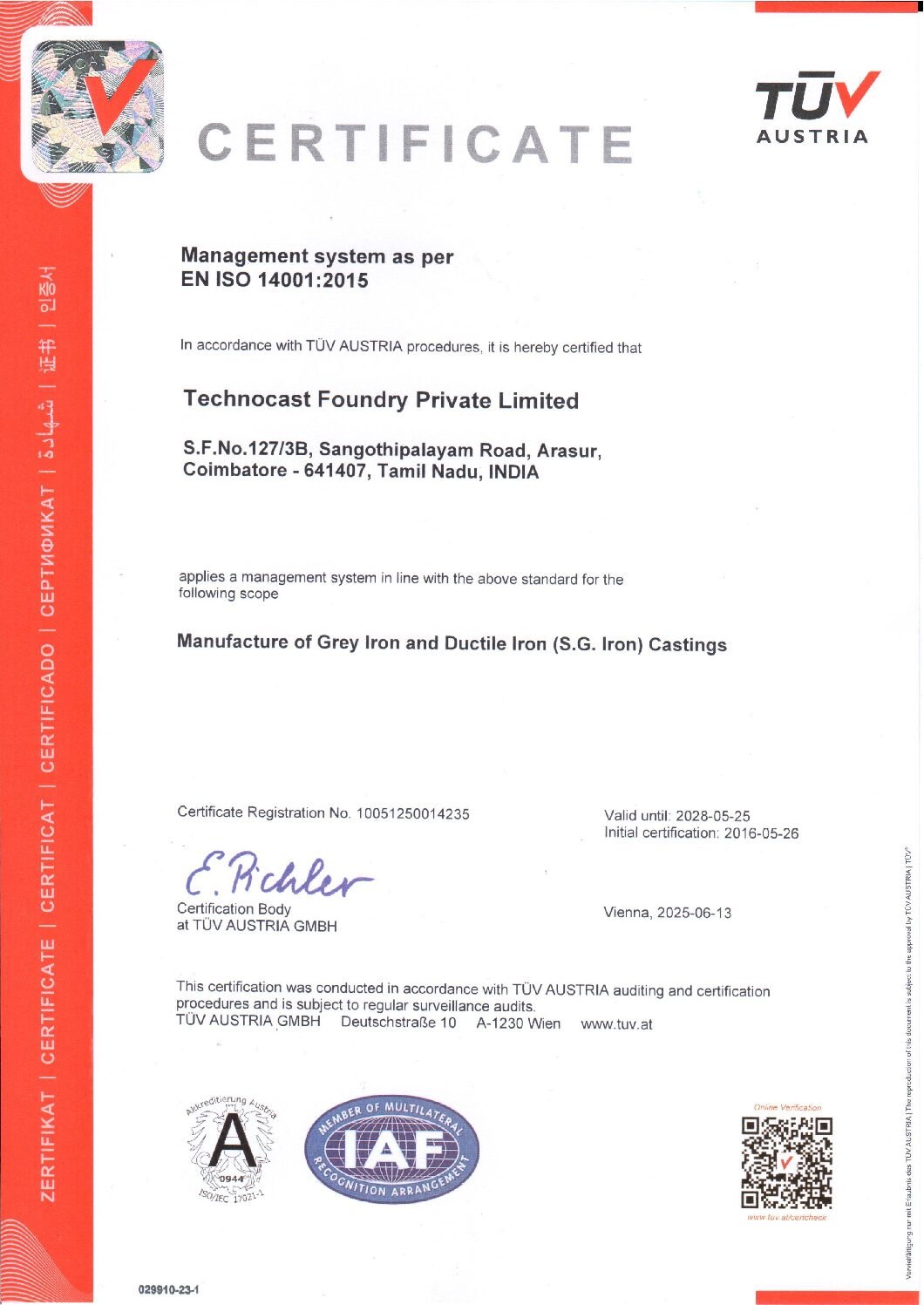
ISO 14001
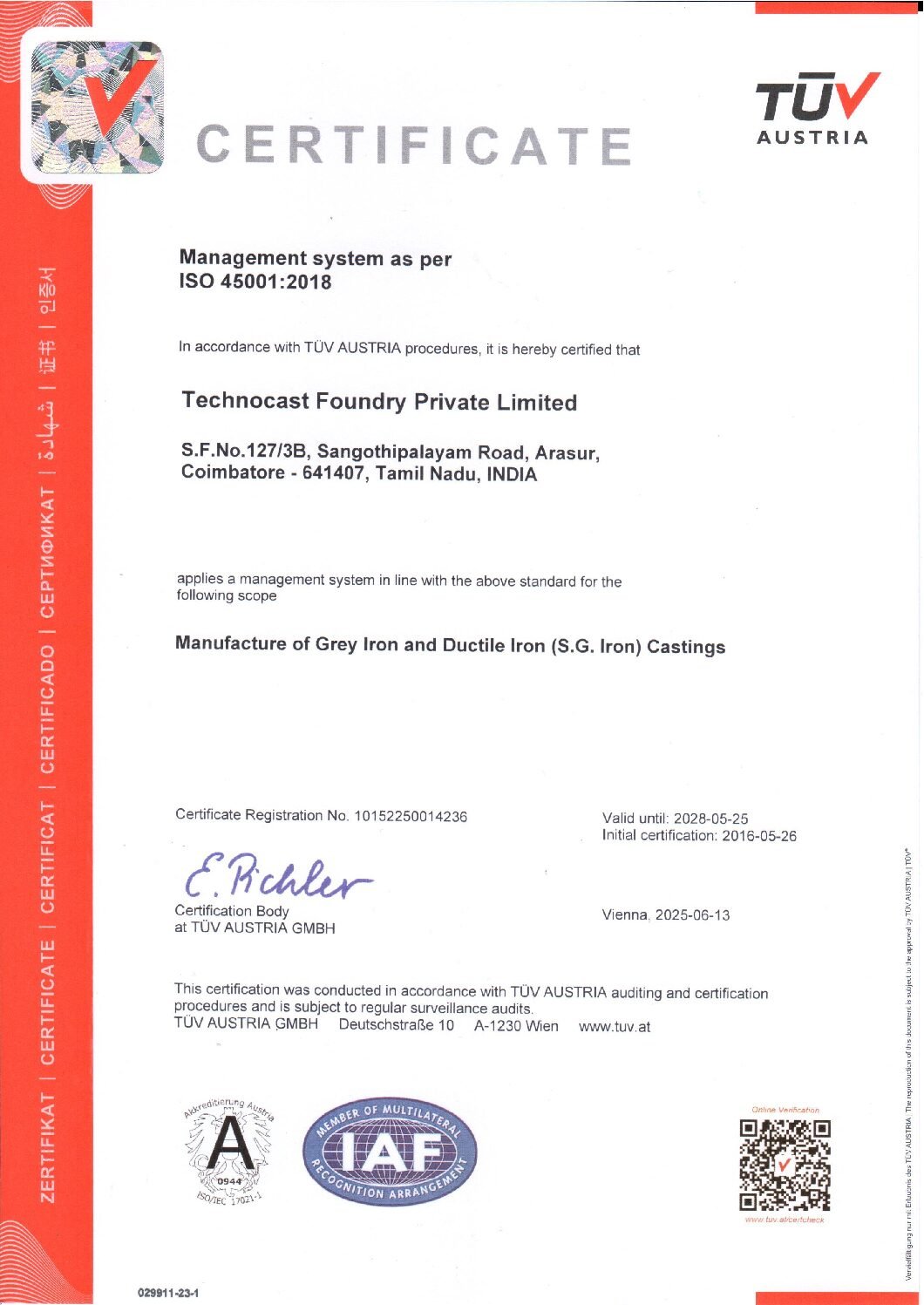
ISO 45001
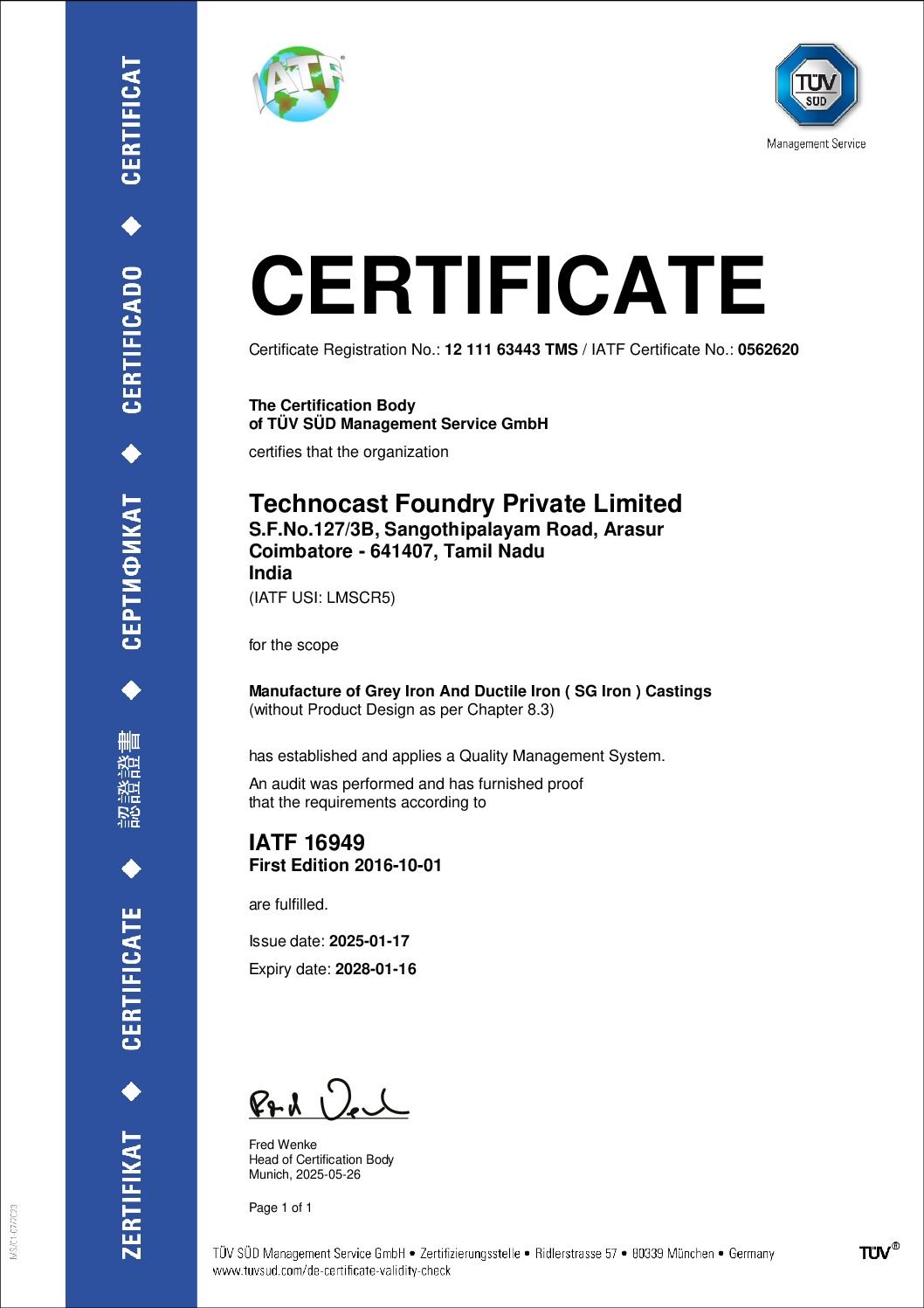
IATF 16949:2016
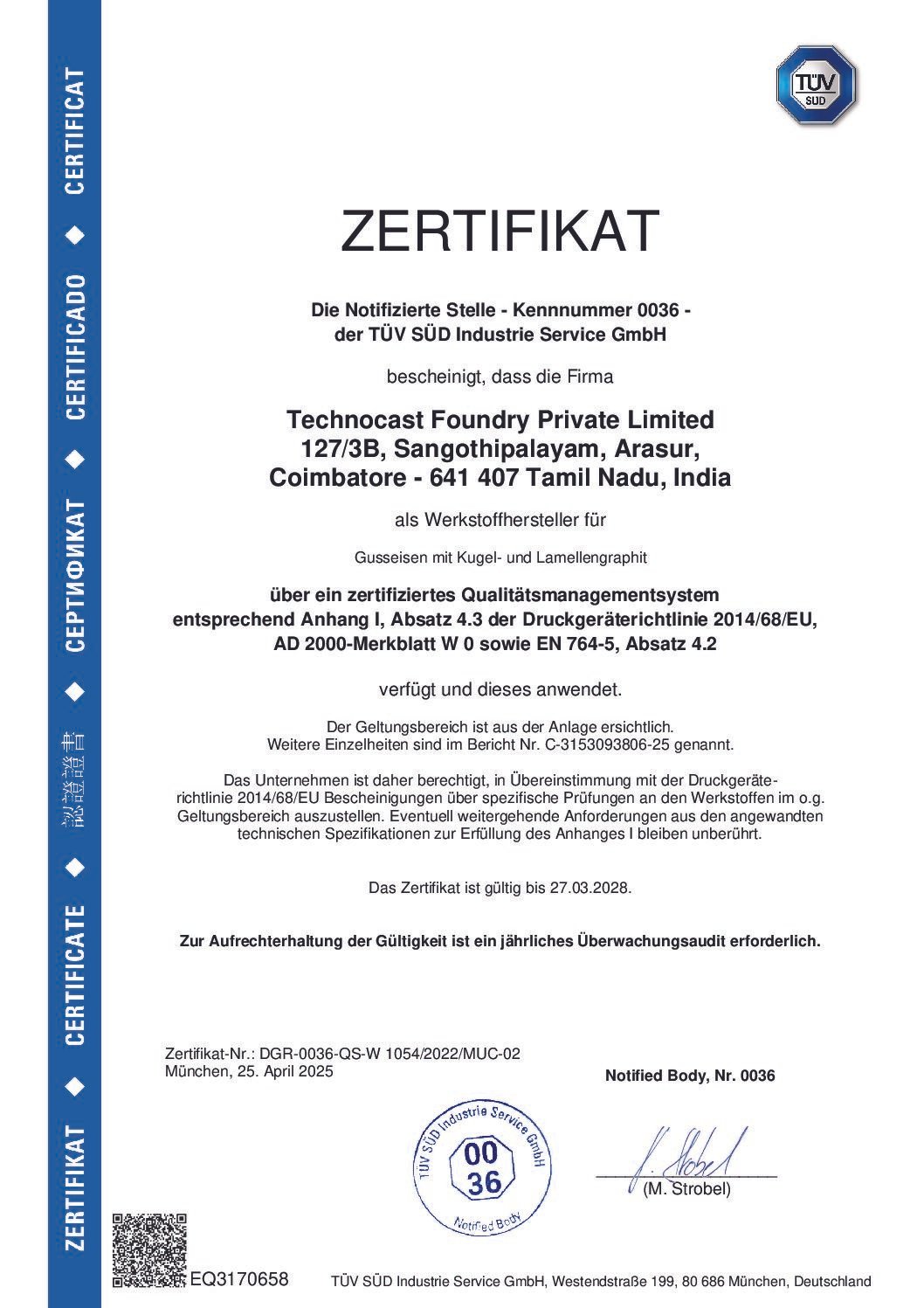
PED Certified

Send a Drawing

Which Casting Range Does
Your Part Belong To?

Send the drawing with the material grade, the single-piece weight and the annual quantity to our foundry at Arasur, Coimbatore. You get back the moulding route we would use, a lead time and a price.