Moulding Lines · Coimbatore

ARPA 450 &
ARPA 1300

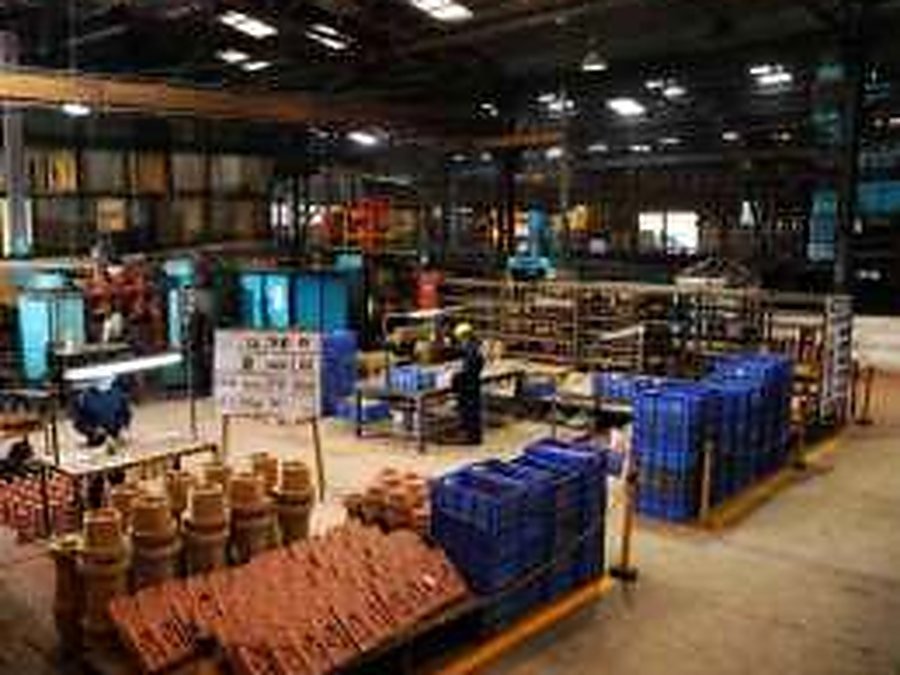
Two moulding lines for medium and heavy castings — single pieces up to 100 kg on the ARPA 450 and up to 550 kg on the ARPA 1300, at our foundry in Arasur, Coimbatore.

Capability Overview

Which ARPA Line
Fits Your Casting?

The ARPA 450 and ARPA 1300 are our two mid-range moulding lines. They sit between the DISA high pressure line, which is built for small parts in large numbers, and the no bake line, which takes the heaviest and most awkward shapes.

The ARPA 450 uses a 650 x 700 x 400 (200 x 2) mm box and pours single pieces up to 100 kg. It suits medium parts ordered at steady volumes rather than in very large batches.

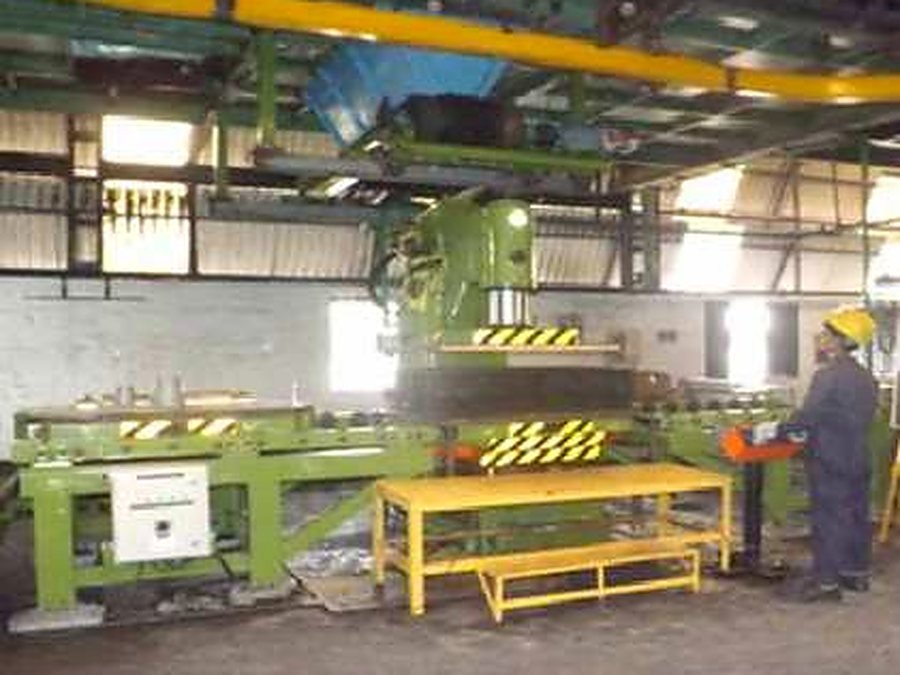
The ARPA 1300 uses a 1,200 x 1,000 x 700 (350 x 2) mm box and pours single pieces up to 550 kg. This is the line for heavier housings, cases and frames in grey iron, ductile iron or steel.

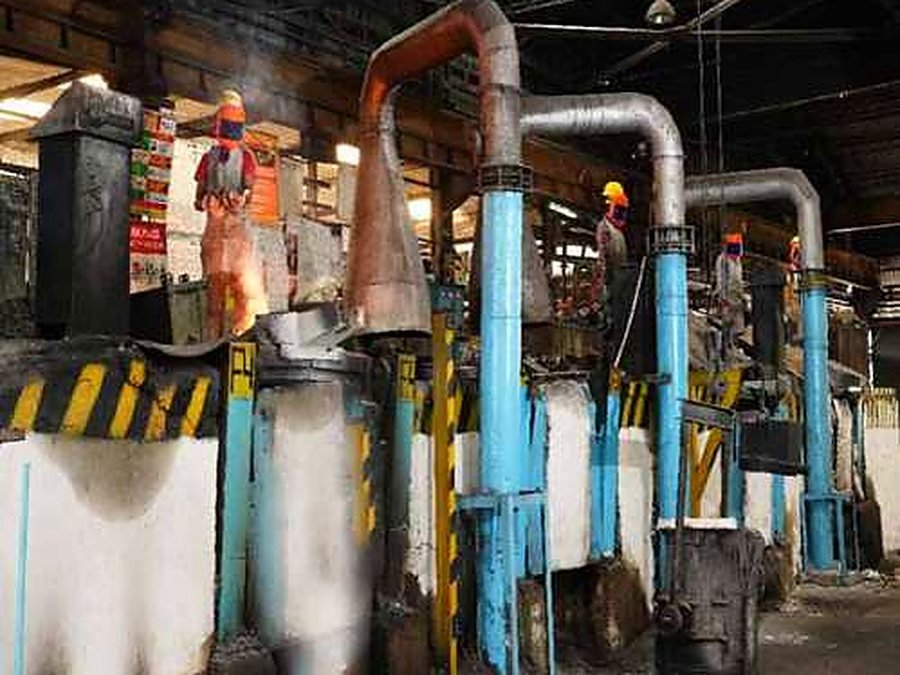
Both lines draw on the same core shop, the same four induction furnaces and the same testing lab, and both feed the same machine shop. Everything is on one site at Arasur, Coimbatore, Tamil Nadu.

Line Specifications

ARPA 450 and ARPA 1300
Side by Side

Installed figures for both lines at the Coimbatore plant. Send a drawing and our engineering team will confirm which line suits your part.

Parameter ARPA 450 ARPA 1300
Mould box size650 × 700 × 400 (200 × 2) mm1,200 × 1,000 × 700 (350 × 2) mm
Maximum single-piece weightUp to 100 kgUp to 550 kg
Best suited toMedium parts at steady volumesHeavier housings, cases and frames
Metals pouredGrey cast iron, ductile (SG) iron and steelGrey cast iron, ductile (SG) iron and steel
Core makingCold box, shell and CO2 cores from shooters of 5 to 30 kgCold box, shell and CO2 cores from shooters of 5 to 30 kg
MeltingFour 1-tonne dual-track induction furnaces, about 60 tonnes a dayFour 1-tonne dual-track induction furnaces, about 60 tonnes a day
Heat treatmentStress relieving, normalising, annealing, hardening and tempering, on siteStress relieving, normalising, annealing, hardening and tempering, plus induction hardening, on site
MachiningVMC, HMC and CNC turning centres on the same siteVertical turn mill to 1,750 mm cutting diameter, VTL, and horizontal machining centres including the MAG Specht 500X five-axis and Starrag IWK 5000
Supply conditionRaw casting, machined, coated or assembledRaw casting, machined, coated or assembled
Quality checksSpectrometer on every heat, nodularity by ultrasonic velocity, CMM, tensile and hardness testingSpectrometer on every heat, nodularity by ultrasonic velocity, CMM, tensile and hardness testing
Plant locationArasur, Coimbatore, Tamil NaduArasur, Coimbatore, Tamil Nadu

How It Works

How Does an ARPA
Moulding Line Run?

Four stages, each checked before the casting moves on.

Pattern and Sand

Pattern plates are set on the machine, and the sand is prepared and tested before moulding starts.

Moulding and Core Setting

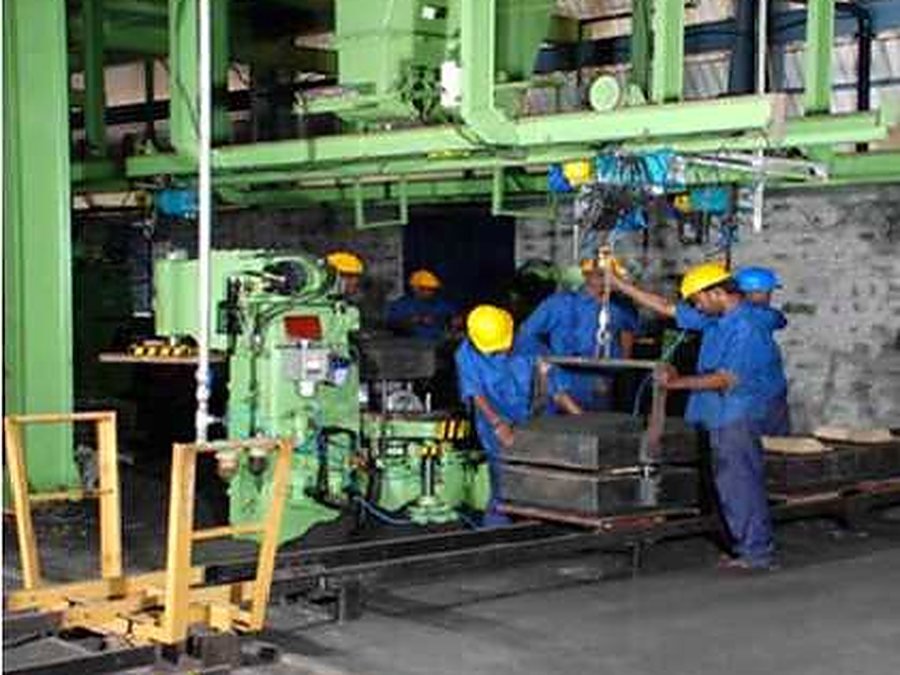
Cope and drag are moulded on the ARPA machine. Cores are set where the part needs them, then the mould is closed and clamped.

Melting and Pouring

Iron or steel is melted in the induction furnaces and the chemistry is confirmed on the spectrometer before the mould is poured at a controlled temperature.

Knockout, Heat Treatment and Finishing

Castings are knocked out, shot blasted and fettled. Heat treatment, machining and final inspection all follow on the same site before dispatch.

Common Questions

ARPA Moulding
Questions Buyers Ask

What are the ARPA 450 and ARPA 1300 moulding lines?

They are our two mid-range moulding lines at Arasur, Coimbatore. They sit between the DISA high pressure line, which is built for small parts in large numbers, and the no bake line, which handles the heaviest work.

What is the difference between the ARPA 450 and the ARPA 1300?

Box size and weight. The ARPA 450 uses a 650 x 700 x 400 (200 x 2) mm box for single pieces up to 100 kg. The ARPA 1300 uses a 1,200 x 1,000 x 700 (350 x 2) mm box for single pieces up to 550 kg.

What is the largest casting an ARPA line can make?

550 kg on the ARPA 1300. Above that we move the part to the no bake line, which pours single pieces up to 1,500 kg.

Which metals are poured on the ARPA lines?

Grey cast iron, ductile (SG) iron and steel. Metal comes from four 1-tonne dual-track induction furnaces producing about 60 tonnes a day.

Which moulding line will my part run on?

Weight usually decides it. Up to 50 kg in volume goes to the DISA high pressure line, up to 100 kg to the ARPA 450, up to 550 kg to the ARPA 1300, and above that to no bake. Send a drawing and we will confirm.

Do you make the cores in-house?

Yes. The core shop runs five cold box shooters from 5 kg to 30 kg, a 5 kg shell core shooter and a four-table CO2 station, all on the same site.

Is heat treatment available for ARPA castings?

Yes, on site: stress relieving, normalising, annealing, and hardening and tempering. Induction hardening is also available.

Can ARPA castings be supplied machined?

Yes. Over 40 CNC machines are in the same plant, including a vertical turn mill to 1,750 mm cutting diameter, vertical turret lathes and five-axis horizontal machining centres.

What quality checks are done on ARPA castings?

Chemistry is read on the spectrometer at every heat. Nodularity is checked by ultrasonic velocity, dimensions on a CMM, and mechanical properties by tensile and hardness testing.

Where are your ARPA moulding lines in Tamil Nadu?

At 127/3B, Sangothipalayam Road, Arasur, Coimbatore, Tamil Nadu 641407, India. Plant visits and audits can be arranged through the contact page.

Send Us a Drawing

Not Sure Which
Line You Need?

Send the part weight, annual quantity and material. Our team in Coimbatore will tell you which moulding route fits and what it will hold.